The French government released a new national preparedness guide, aimed at helping citizens respond calmly and effectively in the event of major crises or disasters. The 30-page document recommends that every person maintain at least six liters of water, a battery-powered radio, and other basic supplies, emphasizing the need to preserve daily life as normally as possible even under extreme circumstances.
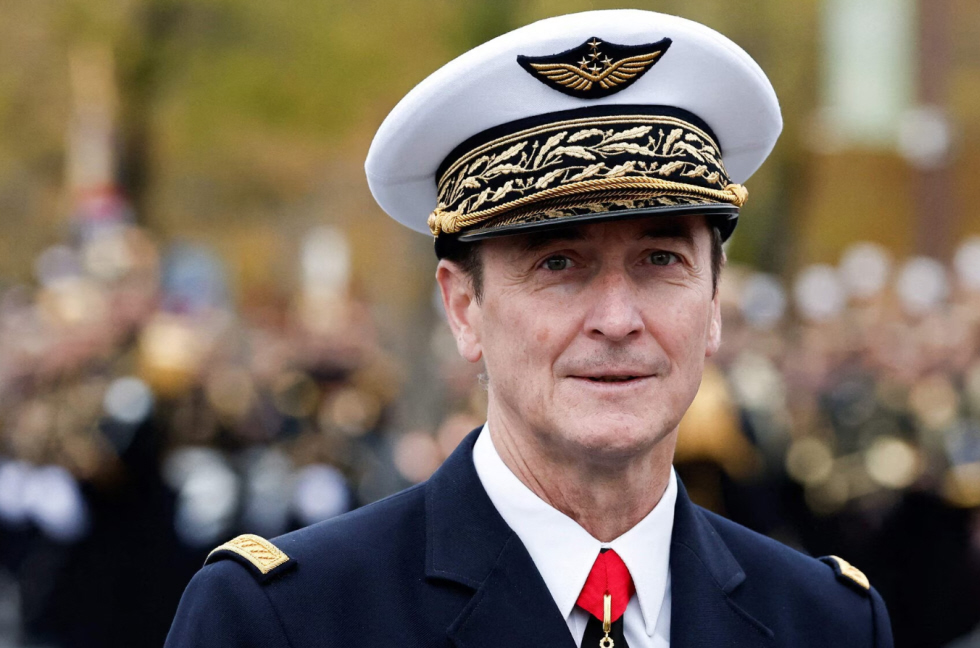
The guide outlines concrete scenarios such as nuclear accidents, large-scale blackouts, cyberattacks, and terrorist incidents. Its publication coincided with a controversial warning from Chief of the General Staff Fabien Mandon, whose remarks about the possibility of war triggered a strong political backlash across France. During a meeting with local mayors, Mandon argued that the country must be mentally and structurally prepared for potential conflict, urging the population to develop the “mental strength” required to endure hardship and defend the nation’s identity.
He stated that France possesses the economic, military, and demographic capacity to deter external threats — particularly from Moscow — but cautioned that a lack of psychological readiness could weaken the country. His call for mayors to address these topics openly in their communities provoked immediate reactions, both for the severity of the message and for the fact that it came from a high-ranking military officer rather than from an official political decision.
The opposition’s response was swift and broad. From the left, Jean-Luc Mélenchon condemned the speech as an inappropriate intrusion of the military into matters that he asserted belong solely to elected officials. Fabien Roussel of the Communist Party invoked the more than 51,000 war memorials scattered across France as a reminder of the country’s painful history with conflict.
François Ruffin formally requested clarification from the Ministry of Defense to determine whether Mandon’s comments had been coordinated with the government or the presidency. Criticism also came from the right: Nice’s conservative mayor Christian Estrosi called the remarks “shocking,” while Sébastien Chenu of the populist National Rally argued that the chief of staff “had no justification” for issuing such dramatic warnings. The episode has ignited a national debate about the balance between civil preparedness, institutional responsibility, and the need for measured language in public discourse.