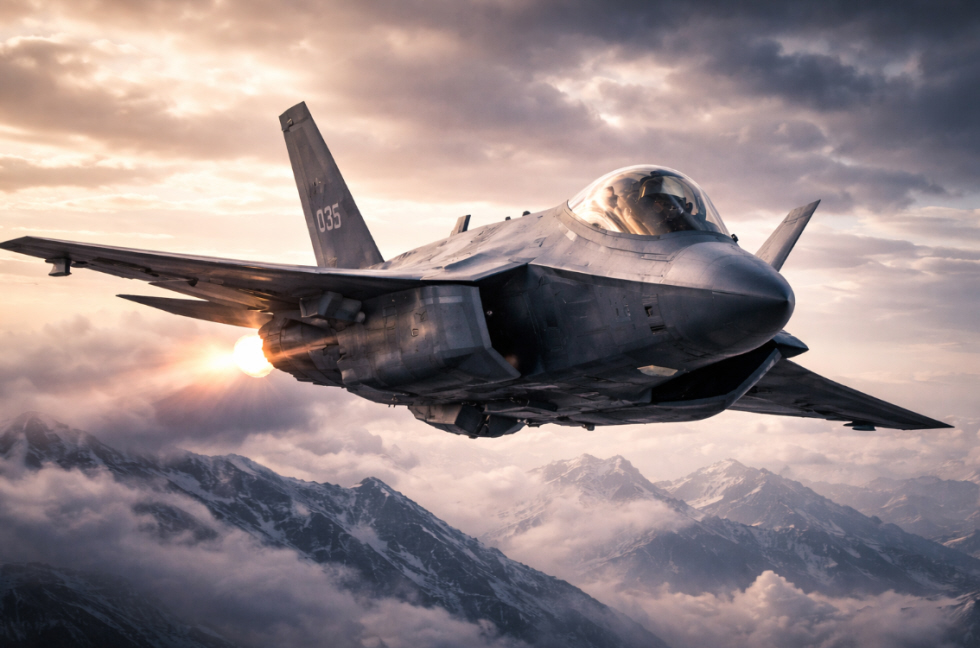
A former U.S. Air Force pilot has been formally charged with providing unauthorized military training to Chinese pilots, in a case that underscores growing concerns over the transfer of sensitive defense expertise. Federal authorities allege that the retired officer violated the Arms Export Control Act, a law that strictly regulates the export of defense services and technical knowledge to foreign governments. The accused, identified as Major Brown, served 24 years in the U.S. Air Force before retiring in the mid-1990s.
After leaving active duty, he worked in the private sector, including roles connected to defense contracting and flight simulation instruction. During his post-military career, Brown reportedly instructed pilots on advanced aircraft systems, including the F-35 fighter jet — one of the most technologically sophisticated platforms in the U.S. arsenal — as well as the A-10 attack aircraft. According to the charges, Brown traveled to China in December 2023 and remained there until early February.
During that time, he allegedly engaged with members of the People’s Liberation Army Air Force. Under U.S. law, both current and former military personnel must obtain a license from the State Department before providing training or defense-related services to foreign military entities. National security officials have repeatedly warned that China has intensified efforts to recruit individuals with Western military expertise as part of its broader modernization strategy.
The case follows previous prosecutions involving former U.S. military pilots accused of offering unauthorized training to foreign forces, reinforcing concerns about the safeguarding of advanced defense knowledge.
The Department of Justice has emphasized that protecting sensitive military capabilities remains a top national security priority, particularly amid heightened strategic competition between major powers. As legal proceedings move forward, the charges highlight the increasing scrutiny surrounding the global transfer of defense expertise and the complex challenges facing counterintelligence efforts in today’s geopolitical environment.