The United States military carried out new strikes against suspected drug-trafficking vessels in the eastern Pacific on Monday, an operation that, according to military statements, resulted in the deaths of at least eight individuals in international waters. The U.S. Southern Command said the targeted boats were operating along known smuggling routes used for transporting narcotics, although the intelligence details that led to the attacks have not been independently verified.
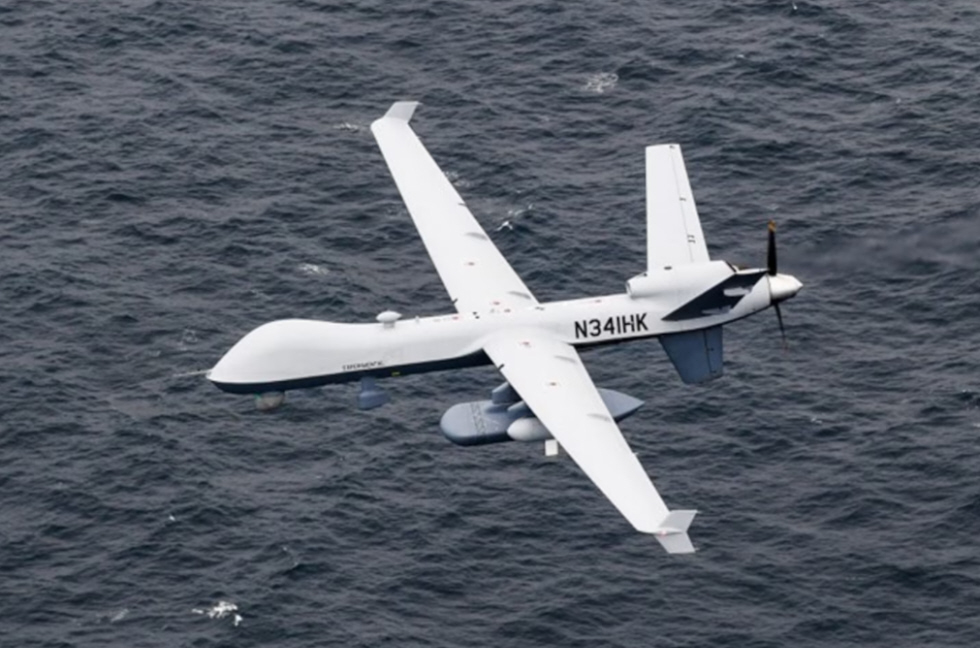
According to the official account, three men were killed in the first strike, two in a second operation, and three more in a third incident later the same day. The military released a short video that it claims shows the attacks from an aerial perspective, appearing to depict missiles striking the vessels. However, the footage does not clearly establish the identity of those aboard the boats or confirm the nature of their cargo at the time of the strikes.
Since September, U.S. armed forces have intensified similar operations in both the Caribbean and the eastern Pacific, stating that they are based on intelligence assessments identifying certain vessels as drug-laden. To date, no concrete public evidence has been presented to substantiate these claims, fueling international debate over the legality, transparency, and proportionality of the military actions.
According to media tallies in the United States, more than 90 people have reportedly been killed as a result of these strikes over recent months. The U.S. government consistently describes the victims as drug traffickers or even “terrorists,” a characterization that has drawn sharp criticism from human rights organizations. Critics argue that the operations may amount to extrajudicial killings, as they are conducted without judicial oversight or clear verification of those targeted.
United Nations human rights experts have warned that such actions could violate international law, particularly when carried out in international waters and without established accountability mechanisms. While Washington defends the strategy as a necessary measure against transnational drug trafficking, the controversy continues to grow, raising serious questions about the limits of military force in non-traditional combat settings and the human cost of these operations.