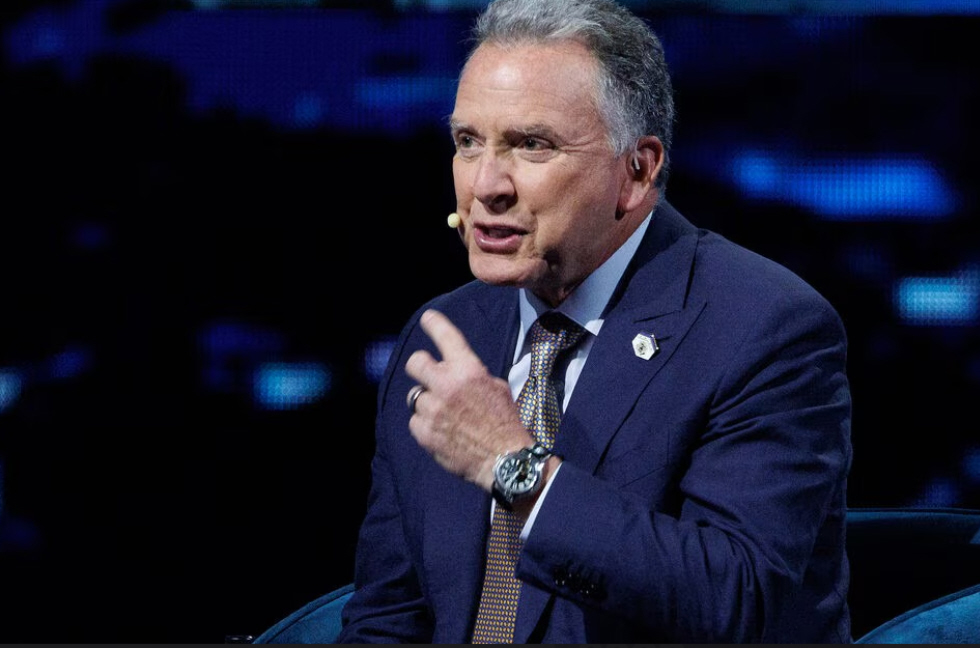
A recently leaked recording has placed renewed scrutiny on the role of U.S. special envoy Steve Witkoff, appointed by President Trump to help advance a peace framework for Ukraine. According to reporting by Bloomberg, the audio suggests that Witkoff—a 68-year-old real estate investor and longtime Trump confidant—may have offered direct guidance to Kremlin advisers on how to shape U.S. foreign policy positions ahead of potential negotiations.
In the recorded call, Witkoff reportedly expressed his belief that Russia had “always wanted a peace agreement,” while also voicing strong praise for President Vladimir Putin. The transcript indicates that he advised Kremlin adviser Yuri Ushakov to highlight Trump’s involvement in the Gaza ceasefire as a way of putting the U.S. president in a favorable state of mind before the scheduled mid-October visit of Ukrainian President Volodymyr Zelensky.
Witkoff also suggested drafting a 20-point peace plan for Ukraine, referencing potential territorial exchanges in the Donbass region as part of a broader negotiating framework. The White House later confirmed that a phone conversation between Trump and Putin did indeed take place shortly before Zelensky’s visit, describing the call as “very productive.”
In the aftermath, President Trump publicly questioned some of Ukraine’s requests for U.S. Tomahawk missiles, intensifying public focus on Witkoff’s role. Despite the controversy, the Trump administration defended the envoy. White House Communications Director Steven Cheung told AFP that Witkoff “speaks almost daily with representatives from Russia and Ukraine to achieve peace, which is exactly what President Trump appointed him to do.”
Cheung added that Witkoff is expected to return to Moscow next week for additional meetings, likely including another session with Ushakov. Bloomberg also reported on separate conversations between Ushakov and Kremlin economic envoy Kirill Dmitriev, who is said to have played a notable role in shaping the early drafts of the U.S. peace proposal.
According to the report, Dmitriev discussed circulating an informal document outlining Russia’s position, acknowledging that it would not be accepted wholesale but could influence the direction of U.S. discussions. Sources indicated that Dmitriev was significantly involved in the original American peace plan, which reportedly consisted of close to thirty points.