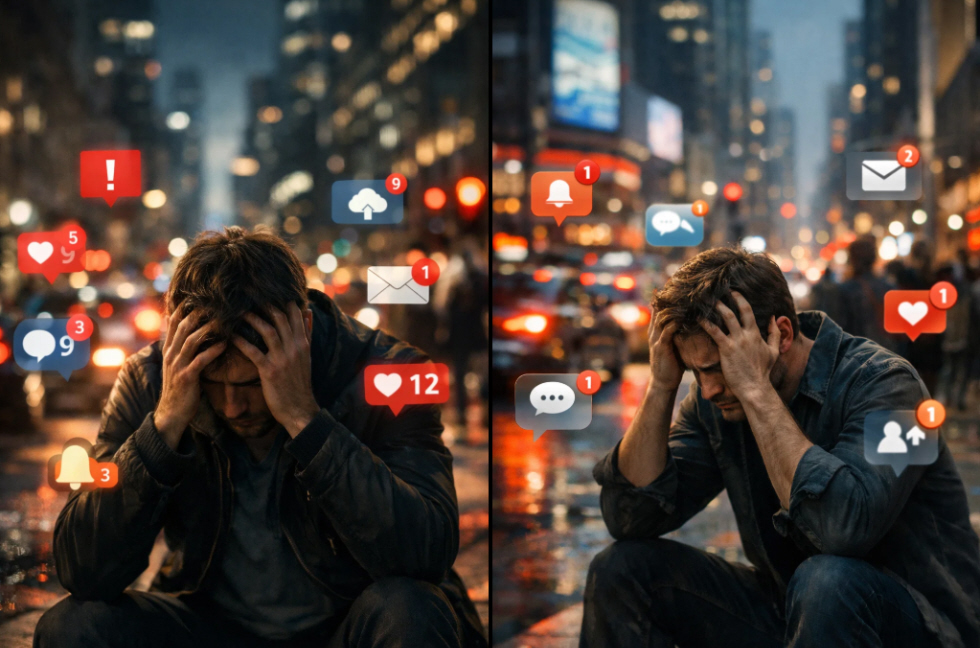
Chronic stress has become one of the leading health concerns in modern life, affecting millions of people worldwide. The combination of work pressure, economic uncertainty, and constant exposure to digital stimuli has created an environment where the mind rarely finds rest, directly impacting overall well-being. Unlike occasional stress, which is a natural response to specific situations, chronic stress persists over time and affects multiple systems in the body.
This prolonged state disrupts hormonal balance, increases cortisol levels, and weakens the body’s ability to recover both physically and emotionally. The consequences extend far beyond mental health. Specialists warn that sustained stress can contribute to cardiovascular diseases, sleep disorders, anxiety, and even digestive issues.
Many of these conditions worsen when stress is not recognized or addressed in time. In daily life, this phenomenon appears through constant fatigue, irritability, lack of concentration, and a persistent sense of overwhelm.
Hyperconnectivity often intensifies the problem, keeping individuals in a continuous state of alert due to notifications, information overload, and external demands. In response to this reality, adopting healthy habits becomes essential.
Regular physical activity, intentional disconnection from digital devices, and creating moments of calm can make a significant difference. In an increasingly fast-paced world, caring for mental health is no longer optional—it is a necessary priority.