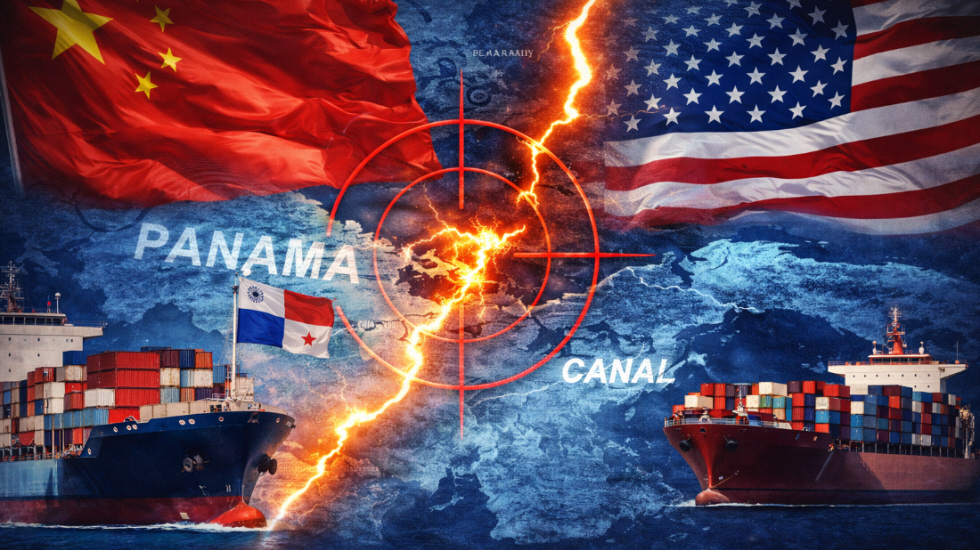
Recent detentions of vessels flying the flag of Panama by China have raised international concern. U.S. Secretary of State Marco Rubio warned that such actions could undermine the rule of law in the Latin American country. The situation has elevated diplomatic tensions between major powers. The case is now under global scrutiny. According to reports confirmed by international agencies, the detentions followed a court ruling in Panama related to commercial interests.
This adds a legal dimension to the dispute. Washington has interpreted China’s actions as a form of indirect pressure. The situation reflects broader geopolitical tensions. The use of Panama-flagged vessels is significant, as Panama operates one of the largest maritime registries in the world. This amplifies the impact of any actions taken against such ships. The detentions affect not only specific companies. They also introduce uncertainty into global trade. From the U.S. government’s perspective, Rubio’s remarks highlight concerns about institutional integrity in Panama.
The concept of “rule of law” has become central to the narrative. Washington believes these actions could weaken the country’s judicial system. The issue extends beyond economic implications. China has not issued a detailed statement fully explaining the reasons behind the detentions. However, the context suggests a strategic response to judicial decisions affecting Chinese interests. The lack of clarity continues to fuel tension. The dispute remains unresolved. The case underscores the growing competition between the United States and China for influence in Latin America.
Panama, due to its strategic location and the Canal, becomes a key focal point. Decisions made there carry global consequences. The region’s geopolitical importance is rising. Analysts argue that such actions are part of a broader influence struggle. It is not solely about trade or maritime law. The balance of power in the region is also at stake. Every move is closely monitored by international actors. From an economic standpoint, the detentions could disrupt supply chains and logistical operations.
Maritime trade depends on legal and operational stability. Any disruption has ripple effects across multiple sectors. Market uncertainty is already emerging. Politically, the incident may lead to a hardening of positions between Washington and Beijing. Public statements increase diplomatic pressure. Panama may be forced to balance its relationships with both powers.
The situation requires careful management. Ultimately, this episode reflects the complexity of today’s international environment, where local legal decisions can trigger global tensions. Panama’s role will be crucial in shaping the outcome. International attention remains focused on the situation. The final resolution is still uncertain.