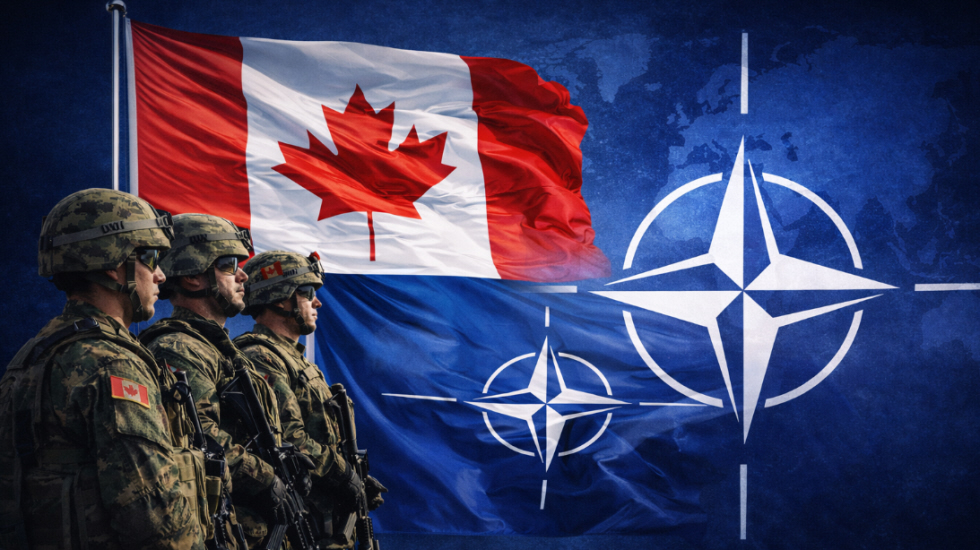
Canada has reached a significant milestone in its defense policy by meeting the 2% of GDP target set by NATO. This achievement marks a major shift in the country’s strategic priorities. For years, Canadian military spending remained below that threshold. Now, compliance reflects a new political direction in matters of security. The milestone was confirmed in the alliance’s latest annual report, strengthening the position of Canada within the bloc.
This progress is not only about fulfilling international commitments. It also reflects an adjustment to an increasingly uncertain global environment. Emerging threats have reshaped the defense agenda. The country is seeking closer alignment with its strategic partners. In addition to overall spending, Canada has surpassed the benchmark for investment in military equipment. This component is essential within NATO’s framework. At least 20% of defense budgets are expected to be allocated to operational capabilities. Meeting this requirement reinforces the modernization of its armed forces. It also signals a long-term strategic vision.
For years, Canada faced criticism from allies for not meeting spending targets. These pressures intensified amid recent international conflicts. The new approach responds to both external and internal factors. The government has decided to strengthen its role within the alliance. International credibility is also at stake. The shift in Canada’s defense policy comes at a time of rising global tensions. Regional conflicts and strategic rivalries have heightened risk perceptions.
In this context, NATO members have increased their commitments. Canada is no exception. The decision reflects a clear reading of the current global landscape. From a political standpoint, increasing defense spending also involves complex budgetary decisions. Allocating more resources to the military requires adjustments in other areas. This generates internal debates about national priorities. However, consensus around security appears to be strengthening.
Foreign policy considerations also play a key role. Meeting the 2% target carries not only military implications but also diplomatic ones. It reinforces Canada’s relationship with its closest allies. It also sends a signal of commitment at a critical moment. International cooperation is becoming increasingly essential. The country aims to solidify its position within this framework.
Security experts believe this step could redefine Canada’s role within NATO. Greater contribution often translates into greater influence in strategic decisions. It may also open the door to new responsibilities. The country could take on a more active role in international operations. This evolution will be closely monitored. From an economic perspective, increased defense spending may impact industrial sectors linked to military production.
Investment in equipment fosters technological innovation. It also creates opportunities within the manufacturing sector. Such spending can stimulate certain areas of the economy.
The effects will unfold gradually. Ultimately, meeting NATO’s target represents a turning point in Canadian policy. It marks the beginning of a more active phase in global defense and security. The international context will continue to shape these decisions. Canada is positioning itself as a more committed actor. The shift is already evident.