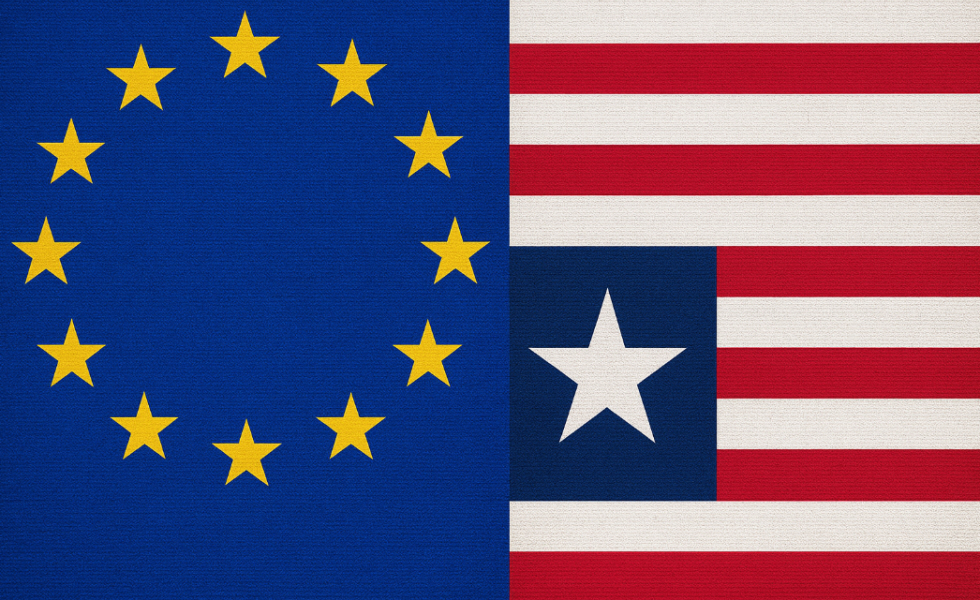
The General Court of the European Union issued a historic ruling that upholds the new data transfer framework between the European Union and the United States, known as the EU-US Data Privacy Framework (DPF). With this decision, the court rejected an appeal filed by French lawmaker Philippe Latombe, who sought to annul the agreement by alleging shortcomings in the protection of personal data.
The ruling provides major relief to thousands of European and American companies that depend on this mechanism for critical operations such as payroll processing, customer management, cloud services, and the large-scale transfer of corporate information.
The court concluded that the Data Protection Review Court (DPRC), the body created to handle complaints related to data access and surveillance, meets principles of independence and impartiality, since its judges benefit from regulated appointment guarantees and are subject to judicial review mechanisms. It also determined that the bulk collection of data by U.S. intelligence agencies does not violate
European standards, as it is subject to ex-post judicial review, thereby complying with the conditions set out in the Schrems II ruling. This judicial backing strengthens the legal certainty of the DPF, now considered a reliable framework for transatlantic information flows.
For the European Commission and the U.S. government, the decision represents a key victory after the collapse of previous agreements such as Safe Harbor and the Privacy Shield, which were invalidated for not providing sufficient protection guarantees.
Although an appeal to the Court of Justice of the European Union (CJEU) remains possible, the current resolution provides much-needed stability in a matter that affects both the digital economy and the privacy of millions of citizens.
With this ruling, a new stage in transatlantic cooperation on data begins, though experts warn that regulatory oversight will continue and the agreement could be reviewed or suspended in the future if the United States fails to maintain the agreed standards.